“native country” search results (1000)
Introduction to the method of describing the Grinding degree of Coffee Flavor in Xidamo Chiso producing area of Ethiopia
Production area: Sidamo varieties: Native Arabica treatment: washing flavor: moderate sweet and sour sun berry aroma, citrus aroma, slightly fermented fruit aroma, fruit wine flavor. Palate: comfortable and interesting sour fruit, good sweetness and low thickness. Roasting degree: medium-roasted Ethiopian coffee beans grow in a close to natural environment and grow in the same conditions for many years.
2016-10-14 Ethiopia Dharma Shaquiso producing area Coffee Flavor description Grinding processing
African Coffee Ethiopia Sidamo Sun treatment Lion King Ethiopia Sidama Black Coffee
Ethiopian Sidamo Lion King Natural country: Ethiopia level: G1 production area: Guji planting altitude: 1800-2000m soil species: volcanic laterite annual rainfall: 1100-1200 cm treatment method: sun varieties: local native species (Heirloom) treatment field: Sirsa cooperative bean specification: 17-18 mesh flavor: jasmine, honey, mandarin
2016-03-25 Africa Coffee Ethiopia Dharma Sun processing Lion King Esso Biya
Yega Xuefei Solar G1 Coffee Flavor description, Grinding characteristics, Variety producing area Manor
Kochel is in the Yejia Sheffield region of southern Ethiopia, but it is said to be one of the highest coffee-growing places on earth. Due to the high altitude, wild native species of coffee, and iron-rich soil, the Cochel community is a very good quality coffee in Yejia Sheffield. It has active citrus acid, floral aroma and sweet silky taste. Plus Yejia Xuefei's famous spice smell
2016-10-11 Yega Sheffield Solar Coffee Flavor description Grinding characteristics Variety producing area
Talking about Coffee beans
1. Summary: coffee is a perennial evergreen shrub or small tree of Rubiaceae. It is native to tropical Africa and has been cultivated for more than 2000 years. The Arabs began to grow coffee in 525 BC, and it was popular for Arabs to stir-fry coffee beans. They began to grow coffee beans on a large scale after the 15th century, and were widely distributed in the tropics and subtropics of Europe, Asia, Africa and Latin America after the 18th century.
2014-07-02 Coffee beans coffee bean history coffee bean uses
Introduction of Arabica Coffee Origin introduction of Arabica Coffee Manor
Arabica coffee accounts for 70% of all coffee production, and Arabica coffee accounts for 70% of all coffee products. its excellent flavor and aroma make it a direct drinkable coffee with only 8 Arabica beans (8). But its resistance to dryness, frost, diseases and insect pests is too low, especially the natural enemy of coffee-leaf rust, so all producing countries are in
2016-07-12 Rabbi Coffee Origin introduction Allah Biya Manor producing area Native all
Species of coffee trees Arabica species Robasta species Liberian species Esselsa species
There are more than 6000 species of coffee trees, most of which are tropical trees and shrubs. There are four main coffee trees in the world, of which only two are of real commercial value and are planted in large quantities, and the quality of the coffee beans produced by other coffee trees is also higher than that of other coffee trees. The first is Arabica beans, which account for 70% of the world's output, the world-famous Blue Mountain.
2016-03-15 Coffee species rabbi card species Robbas Buzz Libby subspecies Ethel Serbia
A brief talk on understanding coffee beans
1. Summary: coffee is a perennial evergreen shrub or small tree of Rubiaceae. It is native to tropical Africa and has been cultivated for more than 2000 years. The Arabs began to grow coffee in 525 BC, and it was popular for Arabs to stir-fry coffee beans. They began to grow coffee beans on a large scale after the 15th century, and were widely distributed in the tropics and subtropics of Europe, Asia, Africa and Latin America after the 18th century.
2014-09-25 Understand coffee beans and talk about coffee beans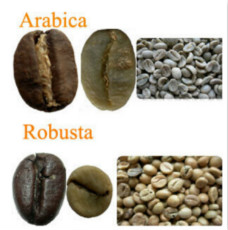
What are the types of coffee trees? Arabica bean Robasta coffee tree Esselsa species
There are more than 6000 species of coffee trees, most of which are tropical trees and shrubs. There are four main coffee trees in the world, of which only two are of real commercial value and are planted in large quantities, and the quality of the coffee beans produced by other coffee trees is also higher than that of other coffee trees. The first is Arabica beans, which account for 70% of the world's output, the world-famous Blue Mountain.
2016-04-07 Coffee category which rabbi kadou Robbas bass tree Searle pizza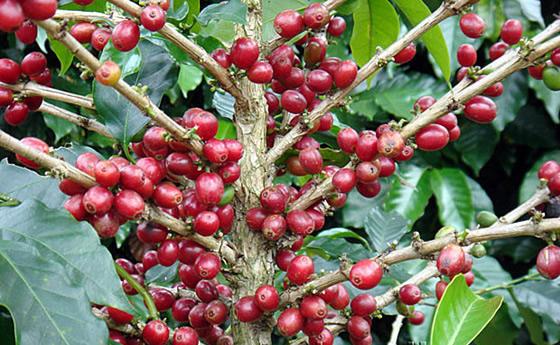
Boutique coffee beans: Ethiopian Sidamo Lion King sun-dried coffee beans
Coffee bean details: 1. Country: Ethiopia 2. Grade: G13. Production area: Guji 4. Planting altitude: 1800-2000m 5. Soil type: volcanic laterite 6. Annual rainfall: 1100-1200 cm 7. Treatment: insolation 8. Variety: native species (Heirloom) 9. Disposal site: Sirsa Cooperative 10. Raw bean specification: 17-18 items 11. Flavor: Jasmine, honey, orange
2015-12-05 Boutique coffee beans Ethiopia Dharma Lion King Sun details
A brief discussion on the knowledge of Coffee beans Encyclopedia
1. Summary: coffee is a perennial evergreen shrub or small tree of Rubiaceae. It is native to tropical Africa and has been cultivated for more than 2000 years. The Arabs began to grow coffee in 525 BC, and it was popular for Arabs to stir-fry coffee beans. They began to grow coffee beans on a large scale after the 15th century, and were widely distributed in the tropics and subtropics of Europe, Asia, Africa and Latin America after the 18th century.
2014-11-12 Coffee knowledge boutique coffee science coffee beans coffee encyclopedia
A brief introduction to the planting situation of Arabica Coffee Variety and Market Price
Arabica coffee accounts for 70% of all coffee production, and Arabica coffee accounts for 70% of all coffee products. its excellent flavor and aroma make it a direct drinkable coffee with only 8 Arabica beans (8). But its resistance to dryness, frost, diseases and insect pests is too low, especially the natural enemy of coffee-leaf rust, so all producing countries are in
2016-07-18 Rabbi Coffee Manor Flavor palate characteristics introduction Coffee beans Native all
Coffee beans are important raw materials for making beverages
1. Summary: coffee is a perennial evergreen shrub or small tree of Rubiaceae. It is native to tropical Africa and has been cultivated for more than 2000 years. The Arabs began to grow coffee in 525 BC, and it was popular for Arabs to stir-fry coffee beans. They began to grow coffee beans on a large scale after the 15th century, and were widely distributed in the tropics and subtropics of Europe, Asia, Africa and Latin America after the 18th century.
2015-09-22 Talking about coffee beans production beverages important raw materials overview coffee grass for many years
Introduction to the quality of Kenyan coffee varieties different from bourbon beans in Central and South America
Different from bourbon beans in Central and South America. This Kenyan native species was created by Scott Laboratories in 1930, known as SL for short. Agronomists wanted to find a kind of bourbon with high yield and resistance to diseases and insect pests, and obtained SL28 through experiments. SL28 is a genetic variant with a mixed pedigree of French missionaries, mochas and Yemens Tibica, which was originally cultivated for SL28.
2016-06-30 Different from Central and South American bourbon Kenya coffee variety quality type introduction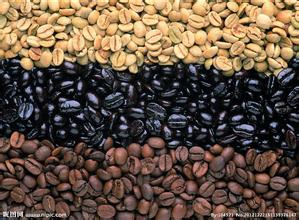
Varieties of coffee beans how long does it take for coffee trees to blossom
The Liberian species, the large seed species, is native to Liberia in Africa, as well as a few countries such as Malaysia. Its cultivation history is slightly shorter than the other two coffee trees. Liberian coffee trees are suitable for growing in lowlands. Its trunk is high and strong, it is 18 meters high, its leaves are large and tough, and its fruits and coffee beans are also very large. Its seed coat is close to the seed kernel and is scarlet when it is mature. Cited
2016-06-08 Coffee beans varieties coffee flowering need how long Libby subspecies large grains produced in
2015 New Bean unbaked Coffee Raw Bean Sidamo Lion King of Ethiopia Sun-treated Raw Bean
Coffee bean details: 1. Country: Ethiopia 2. Grade: G13. Production area: Guji 4. Planting altitude: 1800-2000m 5. Soil type: volcanic laterite 6. Annual rainfall: 1100-1200 cm 7. Treatment: insolation 8. Variety: native species (Heirloom) 9. Disposal site: Sirsa Cooperative 10. Raw bean specification: 17-18 items 11. Flavor: Jasmine, honey,
2016-03-10 2015 New Douwei Roast Coffee Raw Bean Ethiopia Dharma Lion King
A brief talk on the basic knowledge of Fine Coffee with Coffee beans
1. Summary: coffee is a perennial evergreen shrub or small tree of Rubiaceae. It is native to tropical Africa and has been cultivated for more than 2000 years. The Arabs began to grow coffee in 525 BC, and it was popular for Arabs to stir-fry coffee beans. They began to grow coffee beans on a large scale after the 15th century, and were widely distributed in the tropics and subtropics of Europe, Asia, Africa and Latin America after the 18th century.
2015-06-04 Talking about coffee beans boutique coffee basics common sense overview grass for many years
Famous coffee brand coffee brand Kopi Luwak
Blue Mountain Coffee (Blue Mountain Coffee); Blue Mountain Coffee is native to the mountains of Jamaica in the West Indies. It has rich aroma, mellow taste, excellent quality and has the characteristics of a variety of high-quality coffee. It's the best in coffee. But the output is very small, the price is expensive, most people are difficult to drink the real thing, can only taste similar taste of the same kind of coffee. Blue Mountain Coffee is often
2016-04-30 Famous coffee brand cat shit blue mountain Blue Mountai
Ethiopian Sidamo sun treatment of lion king Ethiopia Ethiopian coffee beans Sidamo
Country: Ethiopia level: G1 production area: Guji planting altitude: 1800-2000m soil species: annual rainfall of volcanic laterite: 1100-1200 cm treatment method: sun varieties: local native species (Heirloom) treatment field: Sirsa cooperative bean specification: 17-18 mesh flavor: jasmine, honey, citrus, ripe berries
2016-05-07 Ethiopia Dharma Solar processing Lion King Yesso Biya Coffee beans country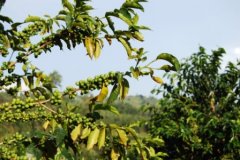
Ethiopian boutique coffee Sidamo Lion King guji producing area
1. Country: Ethiopia 2. Grade: G13. Production area: Guji 4. Planting altitude: 1800-2000m 5. Soil type: volcanic laterite 6. Annual rainfall: 1100-1200 cm 7. Treatment: insolation 8. Variety: native species (Heirloom) 9. Disposal site: Sirsa Cooperative 10. Raw bean specification: 17-18 items 11. Flavor: Jasmine, honey, citrus, ripe berries
2016-05-21 Ethiopia boutique coffee Dharma Lion King guji producing area country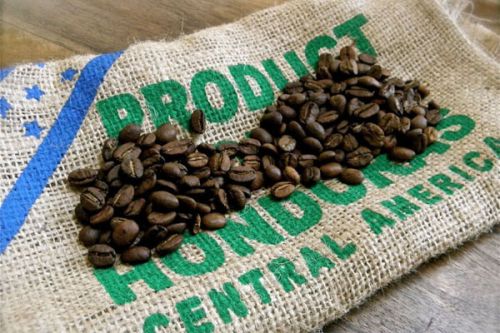
How much is Ethiopian coffee per jin? Ethiopian Sidamo tanning treatment of the Lion King
The coffee flavor of Sidamo is very diverse, and the different soil types, microclimate and countless native coffee species make the coffee produced in each town have obvious differences and characteristics. In 2010-12, three consecutive times won the United States authoritative coffee review website coffeereview92 to 94 high marks, which shows the extraordinary value of raw beans in this area! Domestic span
2016-04-08 Ethiopia coffee less money one jin Dharma sun processing Lion King